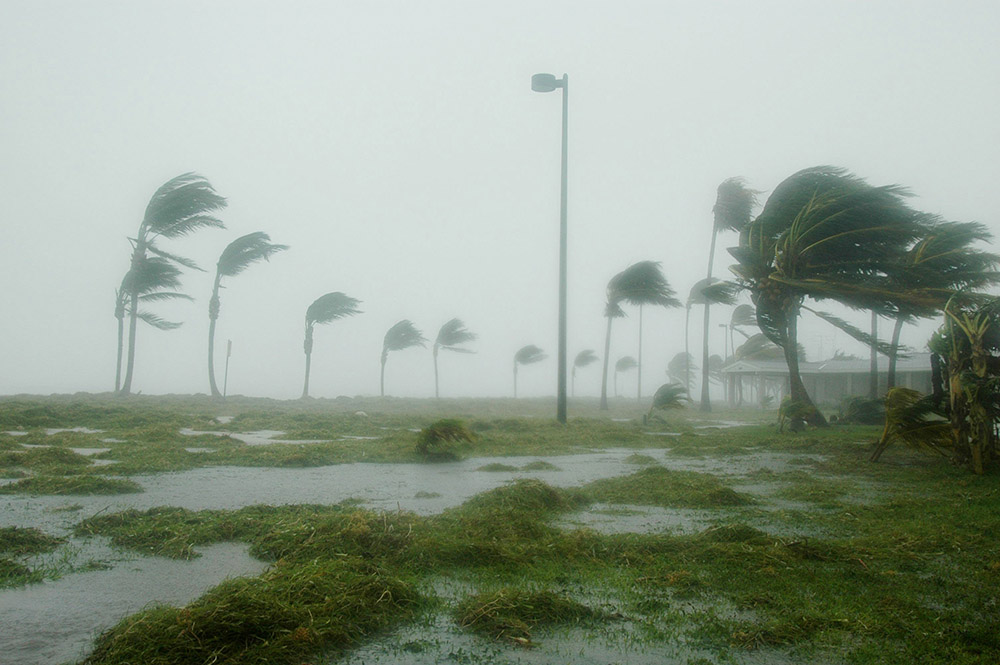
Gulf Coast locals don’t have to look far to see the water damage hurricanes and severe flooding can cause. In fact, these devastating events are increasing in size, intensity and frequency across the region. With each event comes significant personal and economic strain for homeowners. It has left many wondering how to prevent water damage before it occurs.
Knowing how to hurricane-proof your home can save you a lot when it comes to costly repairs (and added stress). Taking proactive, practical steps now can go a long way to helping you minimize the risk as much as possible ahead of storms. Here are a few ideas to keep in mind.

Understanding Hurricane-Induced Water Damage
Low-lying communities along the Gulf Coast are no strangers to hurricanes and flooding risks. With their high winds and driving rains, even weak storms can cause significant water damage in the region. Intense rainfall can overwhelm drainage systems, raise river and creek levels and cause water to pool in flat areas. Moreover, storm surges can push seawater inland, leading to rapid flooding along coastlines.
Home water damage (e.g., structural problems, mold growth and soil erosion) from any of these events can be extensive and costly. In fact, the Federal Emergency Management Agency (FEMA) estimates that just one inch of water in your home can cause an estimated $25,000 in property damage. However, thorough preparation may prevent home water damage when bad weather threatens. If you’re planning to hurricane-proof your home, start by determining (as closely as possible) what risks your property faces.
Assessing Your Property’s Flood Vulnerabilities
No home is immune to water damage. This includes homes that have never flooded before. Even properties in elevated or non-coastal areas can face these risks in the right conditions. Therefore, everyone can benefit from a little flood preparation.
Naturally, the best way to keep water out of your property is to seal off potential entry points. But first, you have to identify these areas. Consider a few common trouble spots:
- Damaged roofs, broken shingles and clogged gutters may all allow water to enter the home.
- Poorly maintained drainage ditches may fail to direct precipitation away from the home.
- Cracks or gaps in the home’s foundation may allow water to threaten the home’s structural integrity.
- Warped, unsealed or damaged windows and doors may create perfect entry points for dampness, humidity and precipitation.
- Damaged brickwork or vinyl siding may allow moisture to corrupt the structure beneath.
- Broken, clogged or corroded plumbing may leak or become overwhelmed during extreme precipitation.
It’s important to repair any such damage regardless of the time of year. However, when hurricane season threatens, such preparations become even more necessary.
Exterior Home Preparations
When it’s time to begin hurricane-proofing your home, focus on the exterior first.
- Maintain your roof. Inspect and repair damaged shingles, replace rusted nails or connections and seal roof decks to prevent leaks.
- Don’t forget to look under the roof. Check your attic or upstairs crawl space for structural damage, signs of mold or pest infestations that can weaken the roof’s integrity.
- Ensure your gutters, downspouts and drainage ditches are clear and undamaged. These systems will work to direct water away from your home.
- Reinforce your windows and doors with storm shutters.
- Recaulk broken seals or add weatherstripping around windows and doors. If you notice excessive issues with these entry points, consider if it’s time to upgrade to newer storm-resistant models.
- Check your foundations for any signs of sinking, cracks in walls or damp spots.
- Repair missing or damaged siding or brickwork.
- Some homes are constructed with crawl spaces or other flood-wash zones that allow rising water to pass under the house. Check to ensure these areas are clear and unobstructed.
Your landscaping can also play a role in preventing home flooding and other storm damage. Cut back trees and shrubs to reduce the risk of something falling on the house and creating a hole. If possible, grade your yard so water flows away from the house. In particularly flood-prone areas, consider placing sandbags around the home, which may add extra protection against rising water.
Interior Home Safeguards
Hurricane home prep doesn’t stop with the outside. There’s plenty you can do indoors to prevent water damage.
- Ensure basements and crawl spaces are properly sealed.
- Consider installing sump pumps to help remove moisture and prevent floodwater intrusion during heavy rain. Ensure these sump pumps include battery backups so they’ll keep working in case of power failure.
- Apply waterproofing sealants on walls and floors to help create a moisture barrier.
- Protect appliances and utilities by elevating HVAC machinery and electrical panels above potential flood levels.
- Secure your water heater and ensure all indoor plumbing fixtures are in good working order. This can reduce the risk of leaks and damage during severe weather.
- Repair any ceiling, wall or interior structural cracks.
It’s true that no amount of preparation is foolproof, especially in the face of devastating storms. However, the more you can do to keep water out of your home for as long as possible, the better you can minimize or even avoid water damage altogether.
Personal Flood Preparation, Insurance and Documentation
Besides preparing your home itself, hurricane prep also involves handling some important clerical and personal tasks.
- Assemble an emergency supply kit with essentials like clean water, non-perishable food and first aid supplies.
- Secure important items such as money, credit cards, family mementos, jewelry and vital records in waterproof containers or high places.
- Compile a detailed home inventory for both insurance purposes and personal use. Document your belongings with photos and receipts to help streamline any insurance claims.
- If you have warranties on any household appliances or features, keep these files on hand. Some will not cover flooding or other “Acts of God.” However, others might help you replace water-damaged items.
Additionally, check to see if your home has appropriate flood insurance. Standard homeowners coverage typically does not cover flooding. Therefore, you’ll likely need to buy separate flood insurance. The vast majority of flood policies in the U.S. are backed by the National Flood Insurance Program (NFIP), although some private insurers now offer policies. The world of flood insurance can be a bit complicated, so speak to your insurance agent to learn more about getting covered.
Don’t forget, the most important things to protect this hurricane season are yourself and your loved ones. Pay attention to weather reports, evacuation orders and emergency declarations in your area. If you feel that you would be putting yourself in danger by staying in your home, do not attempt to ride out the storm.
Get Hurricane-Ready Today
The better you prepare, the more resilient your home will be if hurricanes and flooding threaten. Window World understands how much peace of mind you can get from a well-protected home. Our durable, energy-efficient windows, doors and vinyl siding are built to perform and protect, not just when storms loom, but all the time. Investing in the right home upgrades now can make a meaningful difference when the skies turn dark.
Take action before hurricane season is in full swing. Contact Window World today to learn how our products can fortify your home and protect what matters most—without compromising style or comfort.